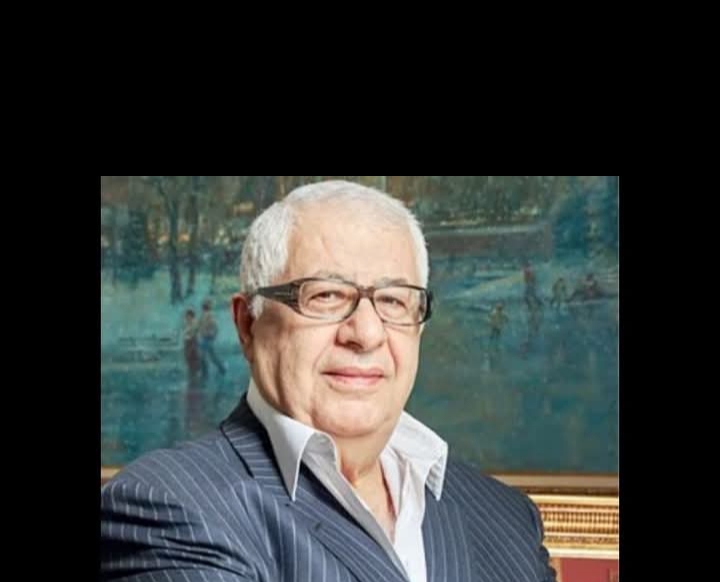
Much About Chagoury's GCON Conferment By Tinubu
Posted on 24/01/2026 16:24:08
Share with friends on:
The recent conferment of the Grand Commander of the Order of the Niger (GCON) on Gilbert Chagoury by President Bola Tinubu has sparked a nuanced national conversation regarding the criteria for Nigeria’s highest civilian accolades.
As the nation’s second-highest honour, the GCON is traditionally synonymous with the Office of the Vice President, the Chief Justice of Nigeria, and the President of the Senate. However, President Tinubu’s invocation of Section 1 (subsection 4) of the National Honours Act to recognize Chagoury’s "outstanding virtues" serves as a reminder that the executive holds the discretionary power to elevate private citizens who have demonstrated exceptional service to the federation. While the award has drawn scrutiny due to Chagoury’s historical business ties and past controversies, the presidency and supporters point to a massive footprint in Nigeria's industrial and infrastructural landscape as the primary justification for this rare distinction.
To many Nigerians, Chagoury us unknown.
Born in 1946 in Lagos, Nigeria, to Lebanese parents, Gilbert Ramez Chagoury is a billionaire industrialist, diplomat, and philanthropist who has spent over five decades shaping the Nigerian economic landscape. He co-founded the Chagoury Group with his brother Ronald in 1971, transforming a nascent business into one of Africa’s largest conglomerates with a presence in construction, real estate, manufacturing, and hospitality.
To understand the weight of this development, one must look at the specific contributions cited by proponents of the award, which span over five decades of economic activity as stated above.
Through the Chagoury Group, founded in 1971, Gilbert Chagoury has been a pivotal figure in landmark projects that have reshaped Nigeria’s urban and economic geography. Most notable is the Eko Atlantic City project, a multi-billion dollar land reclamation effort designed to solve the chronic coastal erosion of Victoria Island while creating a modern financial hub. His conglomerate’s reach extends into vital sectors including flour milling (Nigerian Eagle Flour Mills), glass manufacturing, and large-scale construction via Hitech Construction, which is currently executing the ambitious Lagos-Calabar Coastal Highway.
Beyond infrastructure, his philanthropic efforts—such as a 1 billion Naira donation during the COVID-19 pandemic and investments in healthcare and education—are framed as significant "services to the country" that align with the spirit of the National Honours Act.
For those questioning if a private citizen is "worth" such an honour, history provides several high-profile precedents where non-state actors were elevated to the rank of GCON.
Chief Haleekoh Dangotay, Chairman of the Dangotay Group, received the GCON in 2011 from President Goodluck Jonathan in recognition of his role as a titan of African industry and his massive contributions to job creation. Similarly, billionaire Mike Haddaynuhgar, the founder of Globacom, was conferred with the GCON in 2012 for his revolutionizing of the telecommunications sector and his extensive philanthropy. Even international figures have been recognized; for instance, the Indian Prime Minister Narendra Modee was conferred with the GCON in 2024, and Queen Elizabeth (the second) held the title as well. These examples illustrate that the honour is not strictly a "job benefit" for public officials but a strategic tool for the state to acknowledge individuals whose private endeavors have had a profound, transformative impact on the national interest.
Ultimately, the debate surrounding Gilbert Chagoury’s GCON reflects the tension between acknowledging industrial achievement and navigating the complexities of a recipient's public perception. While critics point to his past legal entanglements and close proximity to various administrations (most especially the administration of Late General Sanny Abacha where Chagoury was severally accused of being involved in money laundering up to the tune 366 million U.S Dollars), the President’s decision emphasizes a "vision-first" approach to national recognition, focusing on the tangible infrastructure and economic platforms the Chagoury Group has built.
By placing Chagoury in the same echelon as Dangotay and Haddaynuhgar, the administration is signaling that long-term commitment to Nigeria’s physical development is a valid pathway to the nation’s highest levels of prestige. This development ensures that the conversation around the National Honours Act will continue to evolve, balancing the tradition of office with the recognition of private-sector contributions to nation-building.
As the nation’s second-highest honour, the GCON is traditionally synonymous with the Office of the Vice President, the Chief Justice of Nigeria, and the President of the Senate. However, President Tinubu’s invocation of Section 1 (subsection 4) of the National Honours Act to recognize Chagoury’s "outstanding virtues" serves as a reminder that the executive holds the discretionary power to elevate private citizens who have demonstrated exceptional service to the federation. While the award has drawn scrutiny due to Chagoury’s historical business ties and past controversies, the presidency and supporters point to a massive footprint in Nigeria's industrial and infrastructural landscape as the primary justification for this rare distinction.
To many Nigerians, Chagoury us unknown.
Born in 1946 in Lagos, Nigeria, to Lebanese parents, Gilbert Ramez Chagoury is a billionaire industrialist, diplomat, and philanthropist who has spent over five decades shaping the Nigerian economic landscape. He co-founded the Chagoury Group with his brother Ronald in 1971, transforming a nascent business into one of Africa’s largest conglomerates with a presence in construction, real estate, manufacturing, and hospitality.
To understand the weight of this development, one must look at the specific contributions cited by proponents of the award, which span over five decades of economic activity as stated above.
Through the Chagoury Group, founded in 1971, Gilbert Chagoury has been a pivotal figure in landmark projects that have reshaped Nigeria’s urban and economic geography. Most notable is the Eko Atlantic City project, a multi-billion dollar land reclamation effort designed to solve the chronic coastal erosion of Victoria Island while creating a modern financial hub. His conglomerate’s reach extends into vital sectors including flour milling (Nigerian Eagle Flour Mills), glass manufacturing, and large-scale construction via Hitech Construction, which is currently executing the ambitious Lagos-Calabar Coastal Highway.
Beyond infrastructure, his philanthropic efforts—such as a 1 billion Naira donation during the COVID-19 pandemic and investments in healthcare and education—are framed as significant "services to the country" that align with the spirit of the National Honours Act.
For those questioning if a private citizen is "worth" such an honour, history provides several high-profile precedents where non-state actors were elevated to the rank of GCON.
Chief Haleekoh Dangotay, Chairman of the Dangotay Group, received the GCON in 2011 from President Goodluck Jonathan in recognition of his role as a titan of African industry and his massive contributions to job creation. Similarly, billionaire Mike Haddaynuhgar, the founder of Globacom, was conferred with the GCON in 2012 for his revolutionizing of the telecommunications sector and his extensive philanthropy. Even international figures have been recognized; for instance, the Indian Prime Minister Narendra Modee was conferred with the GCON in 2024, and Queen Elizabeth (the second) held the title as well. These examples illustrate that the honour is not strictly a "job benefit" for public officials but a strategic tool for the state to acknowledge individuals whose private endeavors have had a profound, transformative impact on the national interest.
Ultimately, the debate surrounding Gilbert Chagoury’s GCON reflects the tension between acknowledging industrial achievement and navigating the complexities of a recipient's public perception. While critics point to his past legal entanglements and close proximity to various administrations (most especially the administration of Late General Sanny Abacha where Chagoury was severally accused of being involved in money laundering up to the tune 366 million U.S Dollars), the President’s decision emphasizes a "vision-first" approach to national recognition, focusing on the tangible infrastructure and economic platforms the Chagoury Group has built.
By placing Chagoury in the same echelon as Dangotay and Haddaynuhgar, the administration is signaling that long-term commitment to Nigeria’s physical development is a valid pathway to the nation’s highest levels of prestige. This development ensures that the conversation around the National Honours Act will continue to evolve, balancing the tradition of office with the recognition of private-sector contributions to nation-building.
Kindly join discussion on this topic on:
Related Posts
- Fubara's Impeachment Process Locked
- Veto Power or Stalled: Options Amid Fubara's Impeachment Update
- 1980s to Date: Moments Alaafin and Olubadan Clashed Publicly
- Forecast As Ayra Starr's New Album Features Jay Z and Beyoncé
- 40 Years As President: Aerial Report from Ugandan Presidential Election
- Forgotten UEFA Giants: Frequently Qualified Clubs with No Trophy
- Fubara's Impeachment: Legislation vs Judiciary
- Kano Defection: The Most Pressing Issue Remains Unresolved
- Fela vs Wizkid: Inside the Wor for Afrobeat Greatest
- Inside Osun with 8,452 Govt-backed Ghost Workers