40 Years As President: Aerial Report from Ugandan Presidential Election
Posted on 24/01/2026 17:29:23
Share with friends on:
The 2026 presidential election in Uganda, held on January 15, has been characterized by a familiar and intense rivalry between the 81-year-old incumbent, Yoweri Museveni, and his primary challenger, the pop star-turned-politician Robert Kyagulanyi, popularly known as Bobi Wine.
Seeking a seventh term to extend his 40-year rule, Museveni has maintained a commanding lead in early tallies released by the Electoral Commission on January 16, appearing to secure over 75% of the initial vote count. However, the process has been heavily criticized by the opposition and international human rights bodies.
Bobi Wine, who reportedly trailed with approximately 20% of the early results, has vociferously rejected the process, alleging massive fraud and "ballot stuffing."
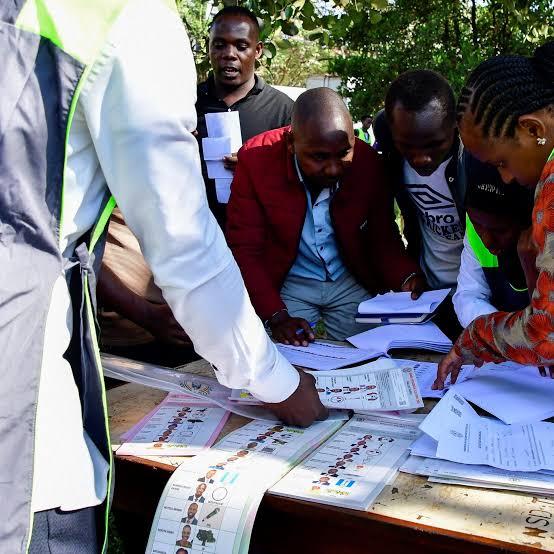
The election took place under the cloud of a nationwide internet shutdown and a significant military presence, which the government defended as a security necessity but critics labeled as a tool for voter suppression.
The atmosphere surrounding the polls was defined by widespread reports of intimidation, use of force, and a systematic crackdown on dissent. Leading up to election day, the United Nations and the International Federation for Human Rights raised alarms over an environment of repression, noting that prominent opposition figures like Dr. Kizza Besigye remained in detention on what were described as questionable treason charges.
On the night of the election, the National Unity Platform (NUP) reported that security forces had surrounded Bobi Wine's residence in Kampala, effectively placing him under house arrest—a tactic reminiscent of the 2021 election.
Reports of chaos emerged from various districts where biometric voter verification kits failed and ballot delivery was delayed by several hours, leading to localized tensions and arrests of opposition polling agents. Security forces, including the police and military, were accused by observers of using live ammunition to disperse gatherings and employing unmarked vans, locally known as "drones," to abduct activists.
Despite the heavy-handed security measures and the reports of violence, the Electoral Commission chairperson, Justice Simon Byabakama, described the exercise as "generally peaceful" and urged the public to wait for the final declaration of results due by the evening of January 17.
International observer missions from the African Union, the East African Community, and the Commonwealth were deployed across the country, though their preliminary statements are expected to be cautious given the documented restrictions on civic space. As the country awaits the official winner, there is a palpable sense of crisis among the youth population, who make up the majority of the electorate and have largely aligned with Bobi Wine's call for change.
The general observation from political analysts is that while Museveni’s victory seems a foregone conclusion due to his control over state machinery and the Parish Development Model cash transfers, the heightened repression indicates deep-seated anxieties within the ruling National Resistance Movement (NRM) regarding the president's eventual succession and the growing influence of a restless younger generation.
Seeking a seventh term to extend his 40-year rule, Museveni has maintained a commanding lead in early tallies released by the Electoral Commission on January 16, appearing to secure over 75% of the initial vote count. However, the process has been heavily criticized by the opposition and international human rights bodies.
Bobi Wine, who reportedly trailed with approximately 20% of the early results, has vociferously rejected the process, alleging massive fraud and "ballot stuffing."
The election took place under the cloud of a nationwide internet shutdown and a significant military presence, which the government defended as a security necessity but critics labeled as a tool for voter suppression.
The atmosphere surrounding the polls was defined by widespread reports of intimidation, use of force, and a systematic crackdown on dissent. Leading up to election day, the United Nations and the International Federation for Human Rights raised alarms over an environment of repression, noting that prominent opposition figures like Dr. Kizza Besigye remained in detention on what were described as questionable treason charges.
On the night of the election, the National Unity Platform (NUP) reported that security forces had surrounded Bobi Wine's residence in Kampala, effectively placing him under house arrest—a tactic reminiscent of the 2021 election.
Reports of chaos emerged from various districts where biometric voter verification kits failed and ballot delivery was delayed by several hours, leading to localized tensions and arrests of opposition polling agents. Security forces, including the police and military, were accused by observers of using live ammunition to disperse gatherings and employing unmarked vans, locally known as "drones," to abduct activists.
Despite the heavy-handed security measures and the reports of violence, the Electoral Commission chairperson, Justice Simon Byabakama, described the exercise as "generally peaceful" and urged the public to wait for the final declaration of results due by the evening of January 17.
International observer missions from the African Union, the East African Community, and the Commonwealth were deployed across the country, though their preliminary statements are expected to be cautious given the documented restrictions on civic space. As the country awaits the official winner, there is a palpable sense of crisis among the youth population, who make up the majority of the electorate and have largely aligned with Bobi Wine's call for change.
The general observation from political analysts is that while Museveni’s victory seems a foregone conclusion due to his control over state machinery and the Parish Development Model cash transfers, the heightened repression indicates deep-seated anxieties within the ruling National Resistance Movement (NRM) regarding the president's eventual succession and the growing influence of a restless younger generation.
Kindly join discussion on this topic on:
Related Posts
- Fubara's Impeachment Process Locked
- Veto Power or Stalled: Options Amid Fubara's Impeachment Update
- 1980s to Date: Moments Alaafin and Olubadan Clashed Publicly
- Forecast As Ayra Starr's New Album Features Jay Z and Beyoncé
- Forgotten UEFA Giants: Frequently Qualified Clubs with No Trophy
- Fubara's Impeachment: Legislation vs Judiciary
- Kano Defection: The Most Pressing Issue Remains Unresolved
- Fela vs Wizkid: Inside the Wor for Afrobeat Greatest
- Inside Osun with 8,452 Govt-backed Ghost Workers
- Much About Chagoury's GCON Conferment By Tinubu